
ماہِ محرم الحرام : تاریخ، پیغام، بدعات و رسومات
A 26-page scholarly work by Mufti Abdul Rehman Munir addressing the sanctity and historical realities of Muharram. The author recounts the consultative origins of the Islamic Hijri calendar under Umar Farooq (RA), details the historical virtues of fasting on Ashura, extracts the true moral lessons from the martyrdom of Imam Hussain (RA), and provides necessary warnings against un-Islamic innovations, mourning superstitions, and cultural corruptions.
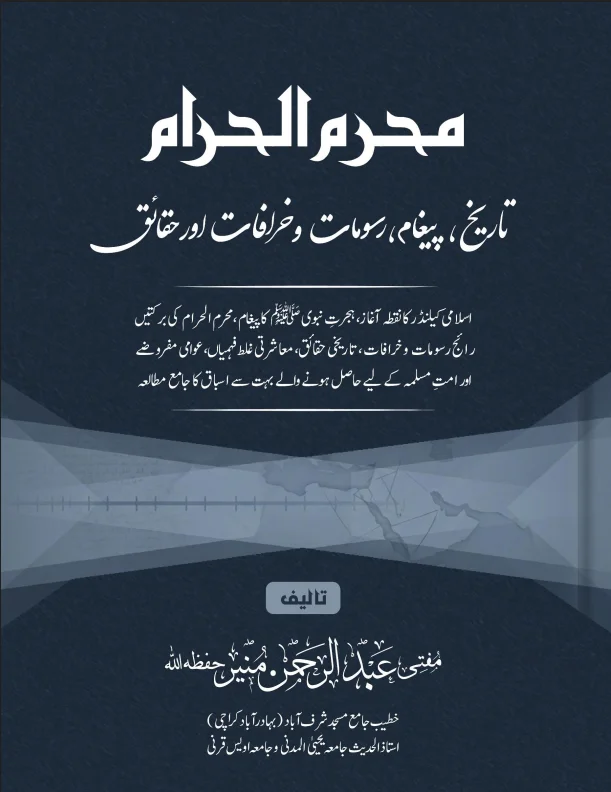
Why This Book Was Written
In the opening sermon, Mufti Abdul Rehman Munir points out a lamentable paradox in modern Muslim society: Muslims enthusiastically celebrate the secular Gregorian New Year on social media, yet remain completely unaware of the arrival of their own sacred Islamic calendar in Muharram.
The month of Muharram is one of the four sacred months ordained by Allah since the creation of the cosmos. During the Caliphate of Umar Farooq (RA), the Companions unanimously selected the momentous event of the Hijrah (migration) to mark the dawn of the Islamic calendar, enshrining the victory of truth over falsehood.
Unfortunately, cultural deviations, grief-industry practices, and baseless superstitions have clouded the sacred status of this month. The author compiled this work to restore the authentic Sunnah perspective: reviving the fast of Ashura, reflecting on the heroic stand of Imam Hussain (RA) for justice, and purifying faith from un-Islamic rituals.
“Muharram is not a month of mourning, superstitions, or baseless prohibitions; it is a sacred month of fasting, remembrance, and drawing moral courage from the sacrifice of Karbala to stand unshakeable for truth in every era.”
Core Insights From the Book
Key historical facts and authentic Islamic teachings concerning Muharram.
The Divine Architecture of Time
The Islamic calendar is tied directly to the lunar system ordained by the Creator in the Preserved Tablet (Lawh-e-Mahfuz), establishing an independent Muslim identity.
Consultative Selection of the Hijri Era
Under Caliph Umar (RA), the Sahabah deliberated on whether to date time from the Prophet's ﷺ birth or passing, ultimately choosing Hijrah as the definitive boundary between truth and falsehood.
Why Muharram Became the First Month
Although the physical migration occurred in Rabi-ul-Awwal, Muharram was chosen as the calendar's starting month due to its ancient Arab sanctity and arrival immediately after Hajj.
The Authentic Prophetic Fast of Ashura
Fasting on the 10th of Muharram expiates the sins of the preceding year. The Prophet ﷺ instructed adding the 9th or 11th to differentiate from Jewish custom.
The True Message of Karbala
The sacrifice of Sayyiduna Hussain (RA) was a noble stand for principled truth against tyranny, teaching Muslims to prioritize Shari'ah over worldly compromises.
Purifying Practice from Un-Islamic Bidaat
The author warns against specific mourning attire, self-harm rituals, and participating in un-Islamic public customs that contradict authentic Sunnah.
Table of Contents (فہرستِ عنوانات)
Major chapter topics covered in the 26-page treatise.
Khutbah Masnoonah & The Four Sacred Months
Neglect of the Islamic Year in Modern Society
Comparison of Solar, Lunar & Stellar Calendars
Origin of the Hijri Calendar Under Umar Farooq (RA)
Ali's (RA) Astute Proposal: Dating from the Hijrah
Sacrifices of the Prophetic Migration (Hijrah)
Why Muharram Was Designated the First Month
Historical Significance of the Day of Ashura
Virtue of Spending Generously on Family on Ashura
Fasting on the 9th and 10th of Muharram
The Tragedy of Karbala & Hussain's (RA) Martyrdom
Distinguishing Authentic Teachings from Bidaat
Read the Complete Book
You can read all 26 pages right here in your browser, or download the original PDF file below.

More Books by Mufti Abdul Rehman Munir
Explore other authored books on Islamic character, gratitude, and prophetic guidance.
Dua: Bandah Aur Rab Ke Darmiyan Ta'alluq Ka Zariya
A concise and profound guide to understanding the true essence of Dua. This book highlights the qualities of sincere sup...
Shukr-e-Khudawandi: Haqeeqat, Tareeqe Aur Fawaid
A comprehensive 45-page spiritual guide exploring the essence of gratitude (Shukr) to Allah. Mufti Abdul Rehman Munir ex...
Chand Nasaih-e-Payambari: Hazrat Abdullah Bin Abbas (RA) Ke Liye
An authentic exposition of the famous Hadith in Jami at-Tirmidhi where Prophet Muhammad ﷺ counseled his young cousin Abd...
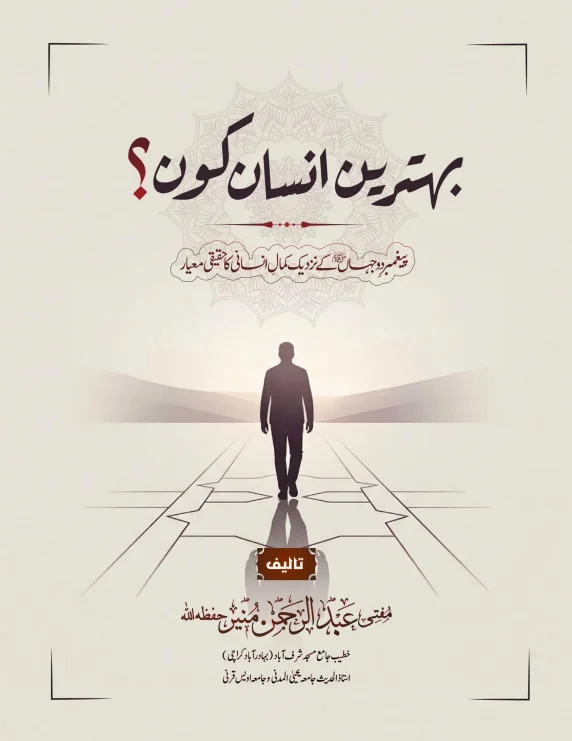
Behtareen Insaan Kon? Zubaan-e-Nubuwwat Se Rahnumai
Who is truly the best human being? While society measures greatness by wealth, pedigree, or worldly power, the Prophet M...

Bahami Mushawarat Aur Istikhara Ke Fawaid Aur Tareeqa
A 30-page practical treatise illuminating the two essential pillars of sound Islamic decision-making: mutual consultatio...
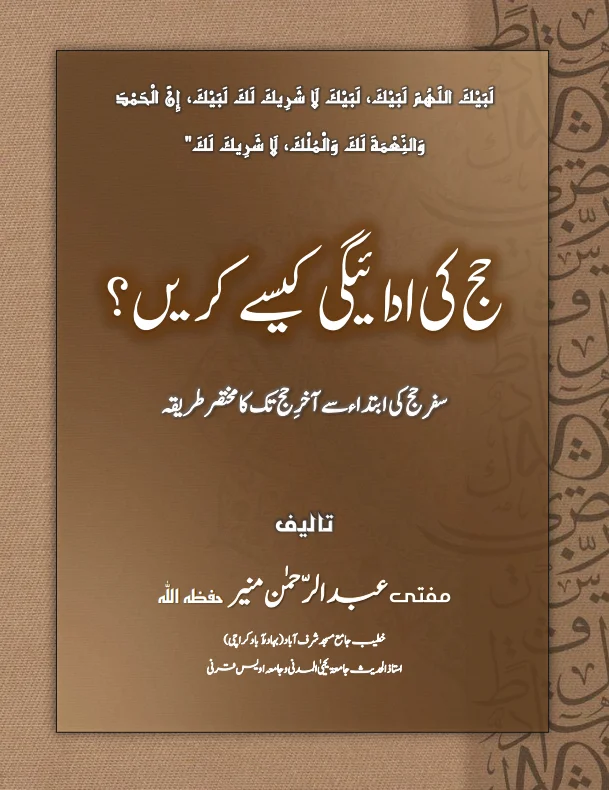
Hajj Ki Adaigi Kaise Karein?
A detailed 61-page practical pilgrims' handbook by Mufti Abdul Rehman Munir. Originating from intensive educational work...
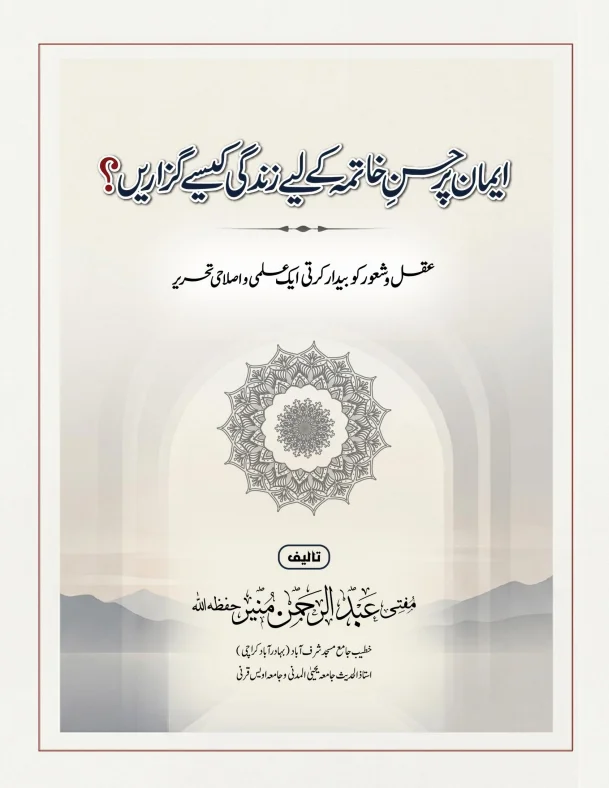
Husn-e-Khatima Ke Liye Zindagi Kaise Guzarein
A deeply stirring 25-page spiritual admonition on how to prepare for a blessed departure from this world with Iman intac...
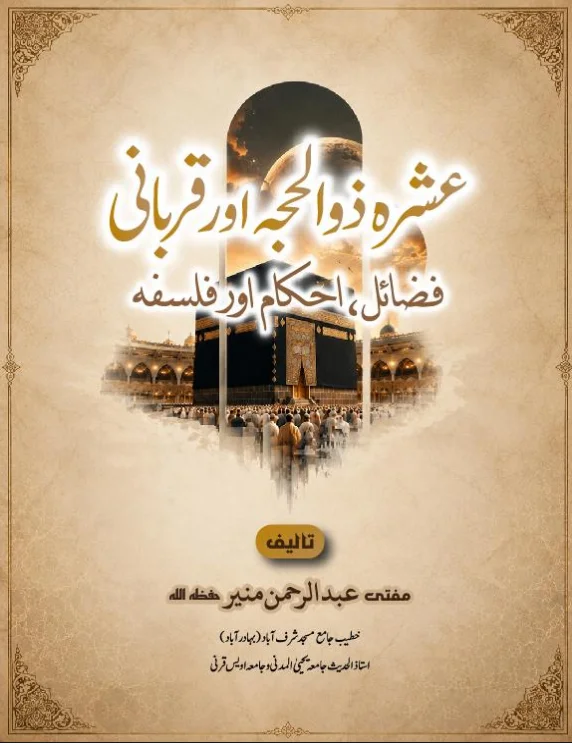
Ashra-e-Zilhajj Aur Qurbani: Fazail, Masail Wa Falsafa
A comprehensive 44-page Fiqh and spiritual compendium by Mufti Abdul Rehman Munir. It details the supreme virtues of the...

Pakistan Ki Azadi Aur Tameer-e-Watan Mein Hamara Kirdar
A 26-page civic and religious discourse by Mufti Abdul Rehman Munir addressing the Islamic duty of nation-building. Sour...