
دُعَاء : بندے اور رب کے درمیان تعلق کا ذریعہ
A concise and profound guide to understanding the true essence of Dua. This book highlights the qualities of sincere supplication, the Sunnah manners of asking, the best times for acceptance, and practical lessons for personal and spiritual life, drawn directly from the Qur'an and Sunnah.
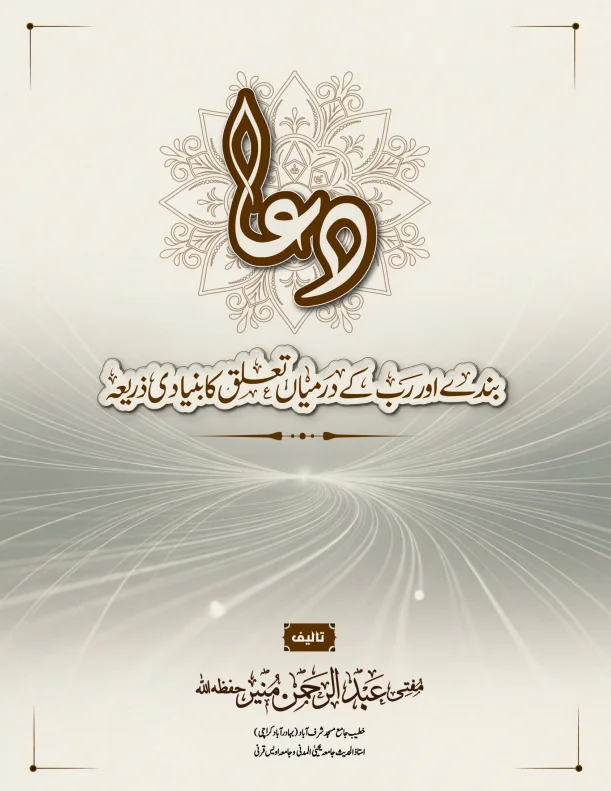
Why This Book Was Written
In the foreword (Harf-e-Aaghaz), Mufti Abdul Rehman Munir writes that Allah created human beings for His worship and recognition, and the true essence of worship is humility and brokenness (Ajz-o-Inkasari).
Dua is the primary, direct bond between a servant and his Lord. It is not just raising hands in an unexpected emergency; rather, it is a permanent duty of servitude and a great act of worship in itself. As the Prophet Muhammad ﷺ said: “الدُّعَاءُ مُخُّ الْعِبَادَةِ” (Dua is the marrow of worship).
When a person acknowledges his own complete helplessness and asks his Creator, it breaks his pride and brings him to the true station of servitude. This treatise was written to present the spiritual reality of Dua in simple words—explaining the importance of humility, the requirement of full certainty, how to avoid impatience, and how to turn Dua from a mechanical custom into a heartfelt connection with Allah.
“Dua is not just asking when trouble strikes. It is an independent act of worship in every state of life. Calling upon Allah with sincere humility brings peace to the heart, even before the prayer is answered.”
Core Insights From the Book
Key spiritual points explained by the author in the light of the Qur'an and authentic Hadith.
Greatness Belongs to Allah Alone
Pride and greatness belong exclusively to the Creator. A humble servant who lowers his ego before Allah is loved and elevated, while arrogance is strictly condemned.
Dua: The Peak of Humility
Asking other humans can feel humiliating, but asking Allah is the highest honor of faith. It is an open admission that we cannot do anything without Allah's help.
Condition for Acceptance: Firm Certainty
As the Prophet ﷺ said: <em>“Call upon Allah while you are certain of the response.”</em> Doubting whether Allah will listen closes the door of acceptance.
A Direct Call Without Middlemen
In 13 places in the Qur'an where questions were asked, Allah said <em>“Say (Qul)”</em>. But regarding Dua, Allah removed all distance: <em>“When My servants ask about Me, indeed I am near.”</em>
Gradual Timing vs. Human Haste
Human beings are impatient by nature, but Allah runs the universe with gradual wisdom. Complaining that <em>“my prayer is not answered”</em> is what actually blocks acceptance.
Hidden Treasures of Unanswered Prayers
Prayers that seem unfulfilled in this world will appear as immense rewards on the Day of Judgment, to the point that believers will wish none of their worldly prayers had been given right away.
Dua in Every Situation
Dua is so easy and merciful that you can call upon Allah in any state—sitting at home, walking on the street, or even resting on your bed with a sincere heart.
The True Sign of Accepted Dua
Sayyiduna Umar Farooq (RA) said he worried about being granted the ability to ask, because if Allah grants you the ability to ask, He intends to accept. If you feel inspired to ask again, your prayer is being heard.
Table of Contents (فہرستِ عنوانات)
Exact list of topics as published in the book's index on pages 3 and 4.
Khutba Masnoonah
Harf-e-Aaghaz (Foreword by Author)
Greatness Belongs Solely to the Creator
Dua: The Pinnacle of Humility
Condition for Acceptance: Firm Certainty
The Call of Servant and Lord
Allah's Boundless Mercy and Closeness
Gradual Wisdom in Nature vs. Human Haste
Worldly Immediate Gain vs. Eternal Reward
The Hidden Treasures of Unanswered Prayers
The Art & Manners of Asking
Not Just a Need, But Essential Worship
Steering Clear of Pride Through Servitude
The Etiquette & True Measure of Acceptance
Read the Complete Book
You can read all 24 pages right here in your browser, or download the original PDF file below.

More Books by Mufti Abdul Rehman Munir
Explore other authored books on Islamic character, gratitude, and prophetic guidance.

Shukr-e-Khudawandi: Haqeeqat, Tareeqe Aur Fawaid
A comprehensive 45-page spiritual guide exploring the essence of gratitude (Shukr) to Allah. Mufti Abdul Rehman Munir ex...
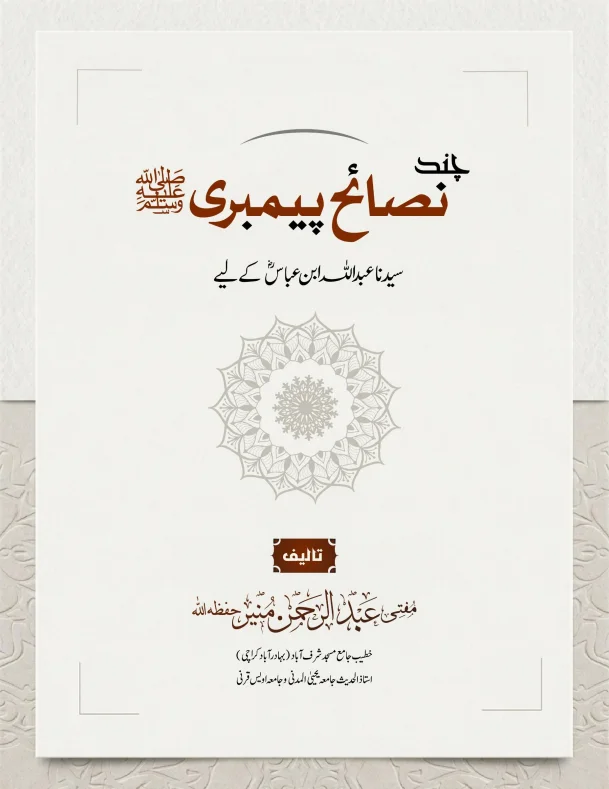
Chand Nasaih-e-Payambari: Hazrat Abdullah Bin Abbas (RA) Ke Liye
An authentic exposition of the famous Hadith in Jami at-Tirmidhi where Prophet Muhammad ﷺ counseled his young cousin Abd...

Behtareen Insaan Kon? Zubaan-e-Nubuwwat Se Rahnumai
Who is truly the best human being? While society measures greatness by wealth, pedigree, or worldly power, the Prophet M...

Bahami Mushawarat Aur Istikhara Ke Fawaid Aur Tareeqa
A 30-page practical treatise illuminating the two essential pillars of sound Islamic decision-making: mutual consultatio...
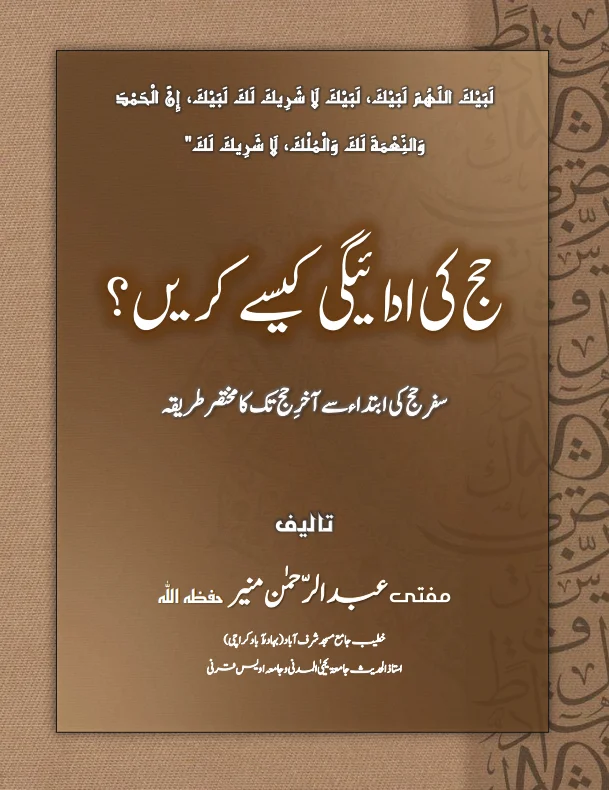
Hajj Ki Adaigi Kaise Karein?
A detailed 61-page practical pilgrims' handbook by Mufti Abdul Rehman Munir. Originating from intensive educational work...
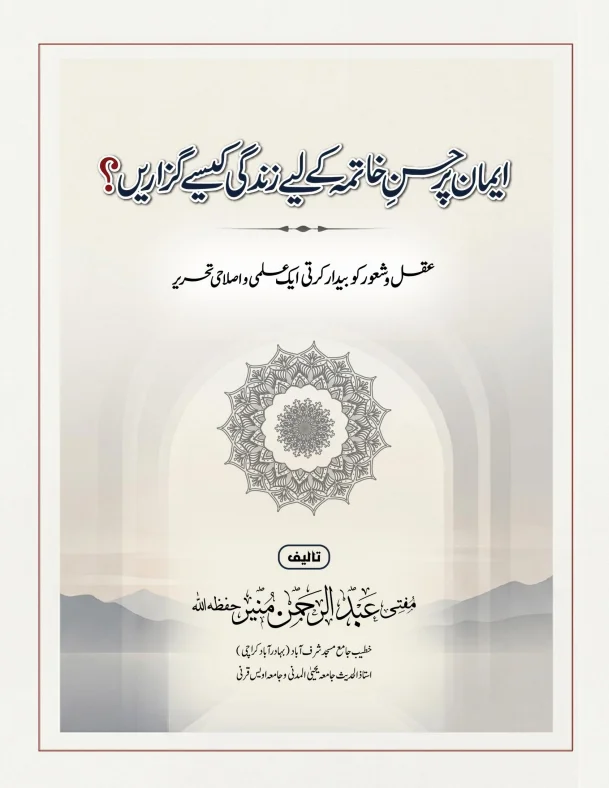
Husn-e-Khatima Ke Liye Zindagi Kaise Guzarein
A deeply stirring 25-page spiritual admonition on how to prepare for a blessed departure from this world with Iman intac...
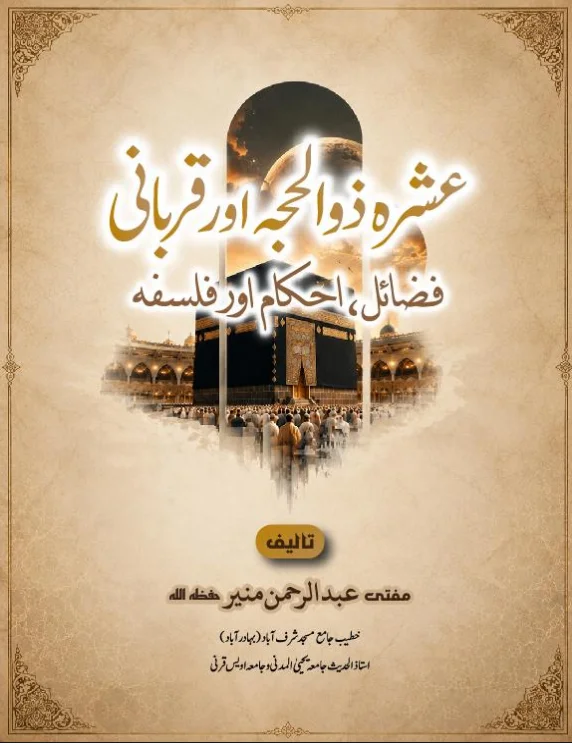
Ashra-e-Zilhajj Aur Qurbani: Fazail, Masail Wa Falsafa
A comprehensive 44-page Fiqh and spiritual compendium by Mufti Abdul Rehman Munir. It details the supreme virtues of the...
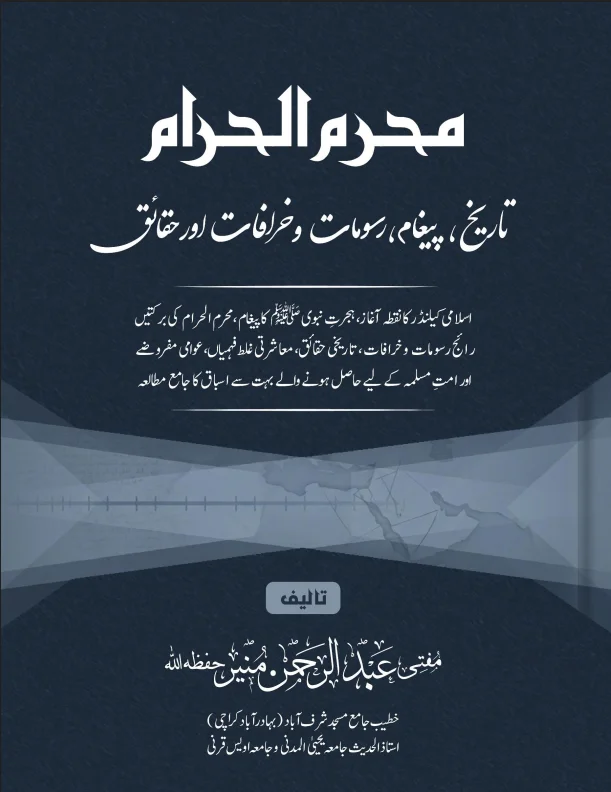
Mah-e-Muharram-ul-Haraam: Taareekh, Paighaam, Bidaat Wa Rasoomat
A 26-page scholarly work by Mufti Abdul Rehman Munir addressing the sanctity and historical realities of Muharram. The a...

Pakistan Ki Azadi Aur Tameer-e-Watan Mein Hamara Kirdar
A 26-page civic and religious discourse by Mufti Abdul Rehman Munir addressing the Islamic duty of nation-building. Sour...